Catalog

6 found

Сёко Асахара (public domain)

The fate of the Aum cult leader split collective memory into three versions: suicide, shooting and execution.

How people remember: Aum leader Shoko Asahara allegedly committed suicide in his cell, or was shot soon after the verdict.
How it actually was: Asahara did not kill himself: on 6 July 2018 he was hanged in Sugamo prison together with six other cult members.
History 0 votes 0 💬
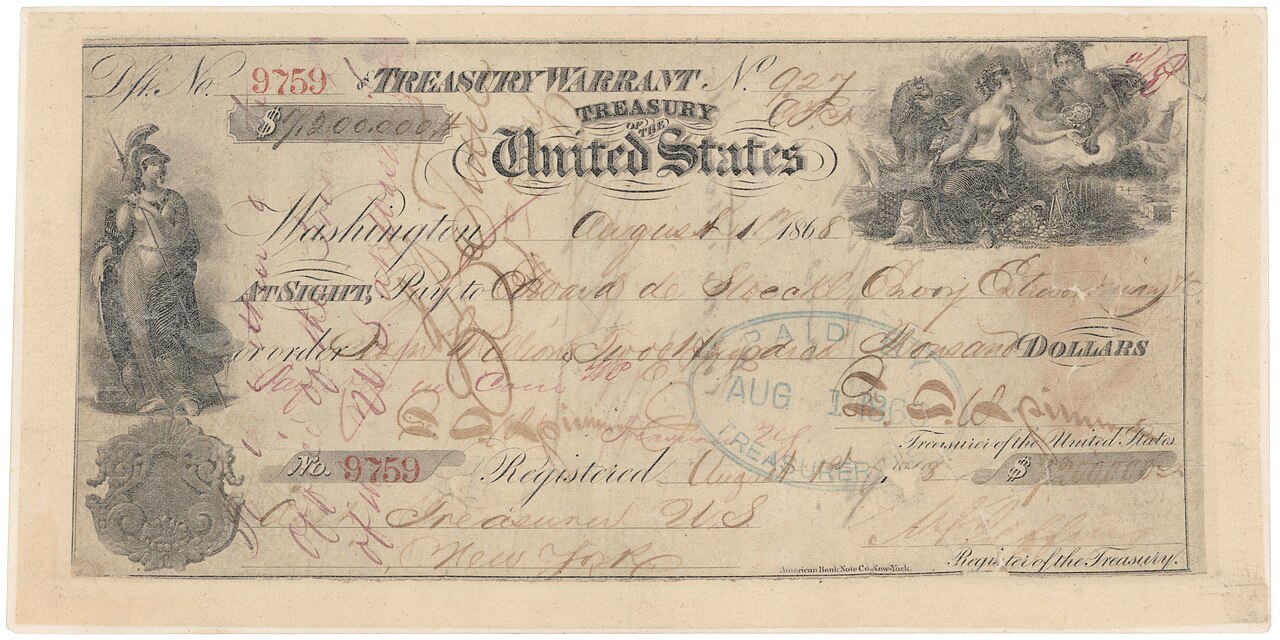
Договор о продаже Аляски, 1867 (public domain)

A deal remembered as cheap as a bottle of wine shifts half a century back in memory — to the favourite empress's reign.

How people remember: The Russian Empire sold Alaska to the United States under Catherine the Great — a bargain the mind dates to her reign.
How it actually was: The Alaska purchase treaty was signed on 30 March 1867 — 71 years after Catherine's death — under Alexander II, for 7.2 million dollars.
History 0 votes 0 💬
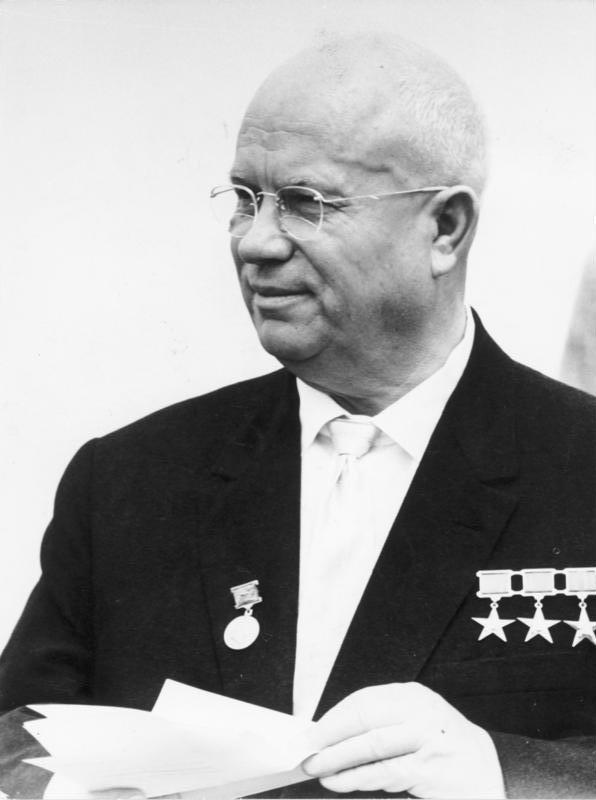
Никита Хрущёв, Bundesarchiv (CC BY-SA 3.0 DE)

A catchphrase and a shoe on the rostrum fused in memory into a single plot — and neither belongs where recall puts it.

How people remember: On 12 October 1960 at the UN General Assembly Khrushchev banged his shoe on the desk and at that very moment said: “We will show you Kuzkina mat”.
How it actually was: The phrase actually made headlines earlier — from Khrushchev during his 1959 US visit. And the famous photograph of him banging a shoe was later recognised as a photomontage.
History 0 votes 0 💬
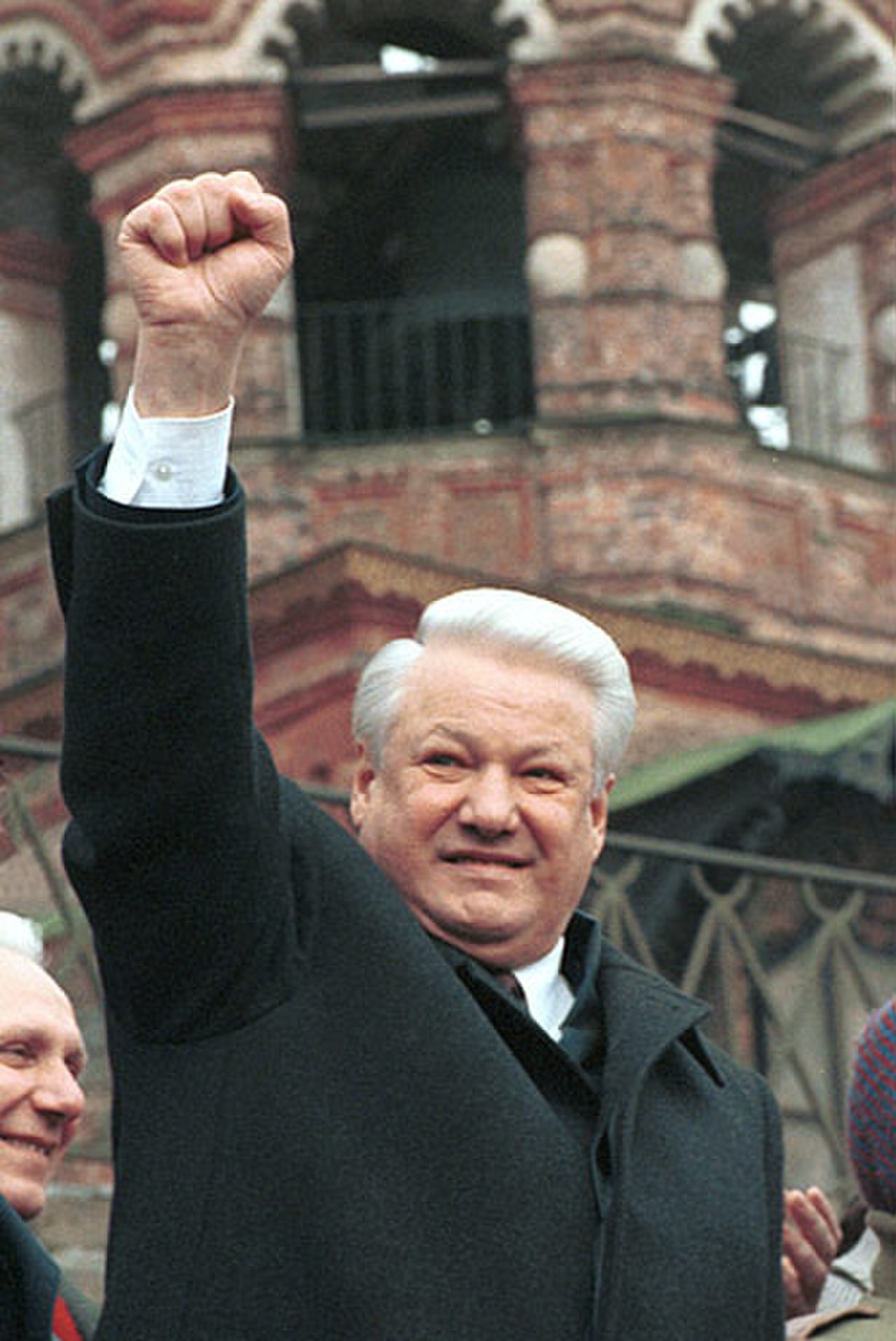
Борис Ельцин (CC BY 4.0)

The most quoted line of the farewell address — a line that is not in it.

How people remember: In his New Year address of 31 December 1999 Boris Yeltsin said: “I am tired, I am leaving”.
How it actually was: The phrase is not in the address: Yeltsin said “I am leaving. I have done everything I could” and apologised to the citizens.
History 0 votes 0 💬
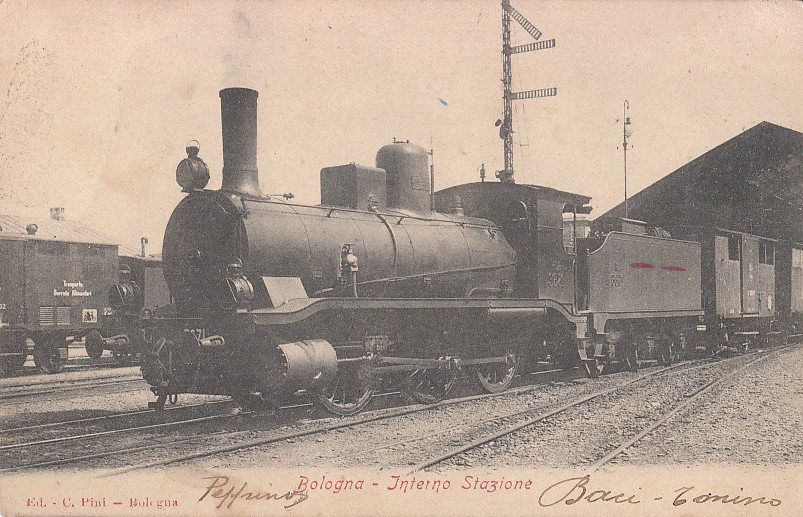
Станция Болонья-Чентрале, начало XX века (public domain)

A rare case of a false memory measured in percentages: 92% of confident witnesses were wrong.

How people remember: The clock at Bologna Centrale station stopped on 2 August 1980 at the moment of the bombing and has stood since as a memorial to the victims.
How it actually was: The clock was repaired and kept running: it was only stopped in 1996 and set to the time of the explosion. In a 2010 survey 92% remembered otherwise.
History 0 votes 0 💬
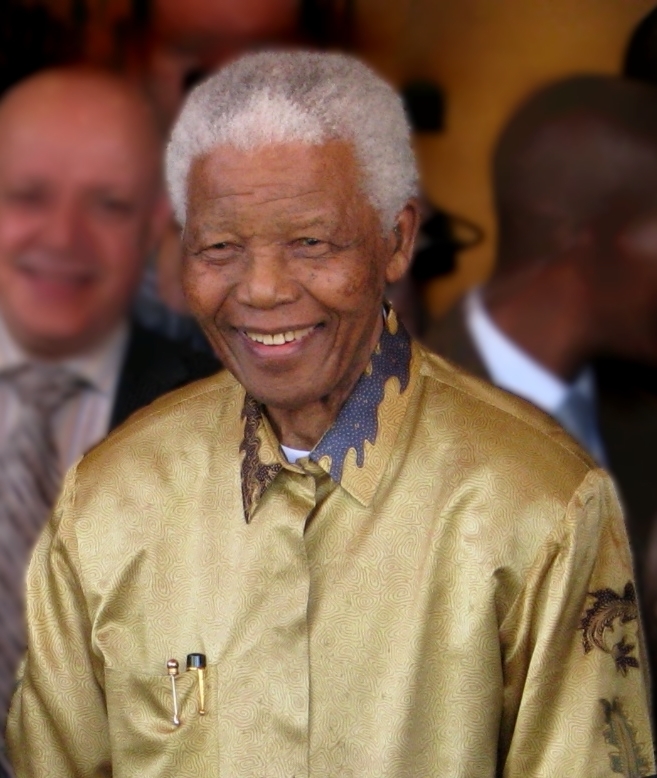
Нельсон Мандела, 2008 год (CC BY 2.0)

The classic “Mandela effect” that named the whole phenomenon: thousands of people remember Mandela dying in custody, although he was released in 1990 and died in 2013.

How people remember: Nelson Mandela died in prison in the 1980s, with funerals and speeches in his memory.
How it actually was: Mandela spent 27 years in prison, was released in 1990, became president of South Africa in 1994 and died on 5 December 2013 at home in Johannesburg.
History 0 votes 0 💬