
Familiar “lost” emojis that never existed in the standard at all.
How people remember: Keyboards once had a seahorse emoji and a burglar emoji — later removed from the standard.
How it actually was: Such emojis never existed: the full Unicode list contains neither a seahorse nor a burglar — only the detective 🕵.
Games & internet
0 votes
0 💬
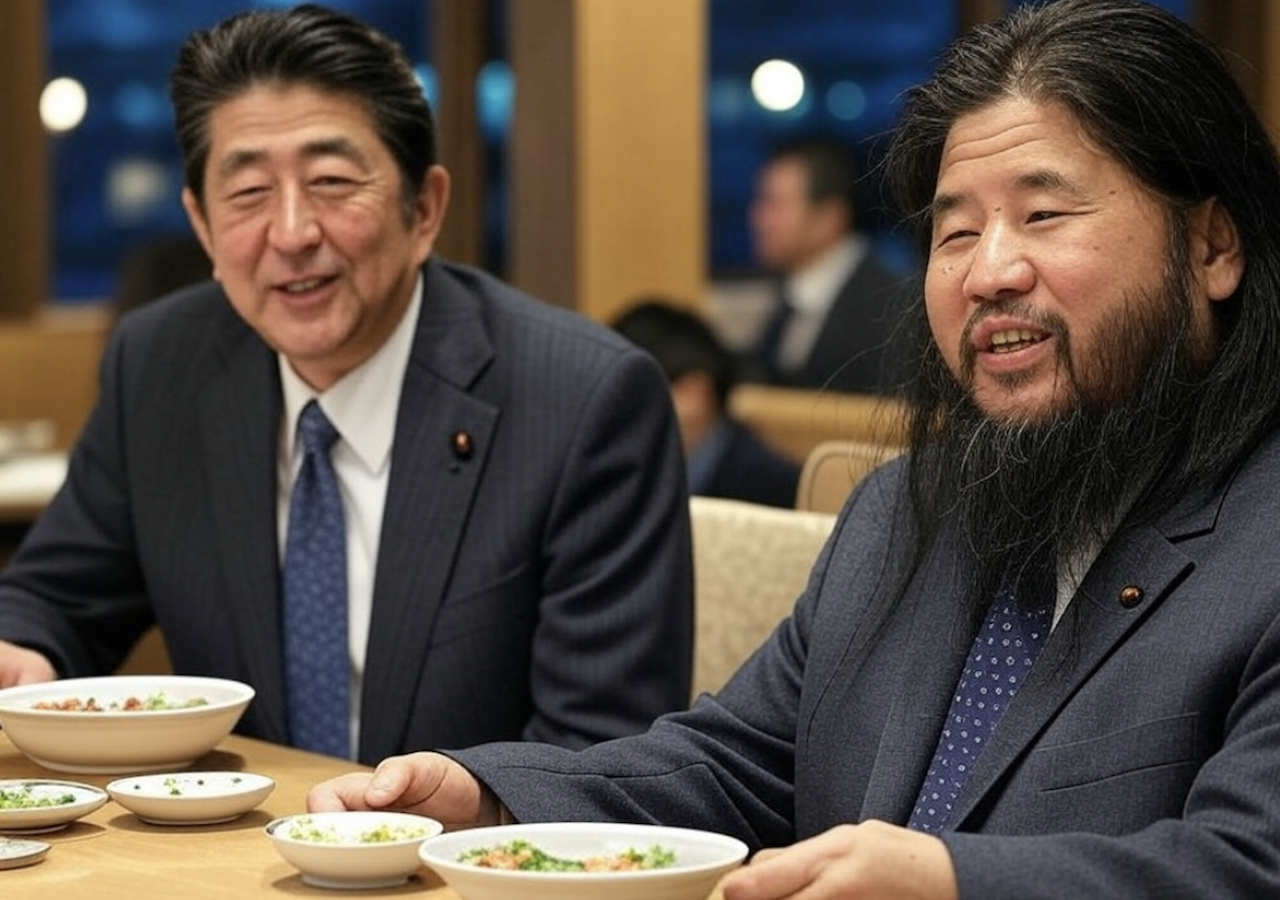
The fate of the Aum cult leader split collective memory into three versions: suicide, shooting and execution.
How people remember: Aum leader Shoko Asahara allegedly committed suicide in his cell, or was shot soon after the verdict.
How it actually was: Asahara did not kill himself: on 6 July 2018 he was hanged in Sugamo prison together with six other cult members.
History
0 votes
0 💬
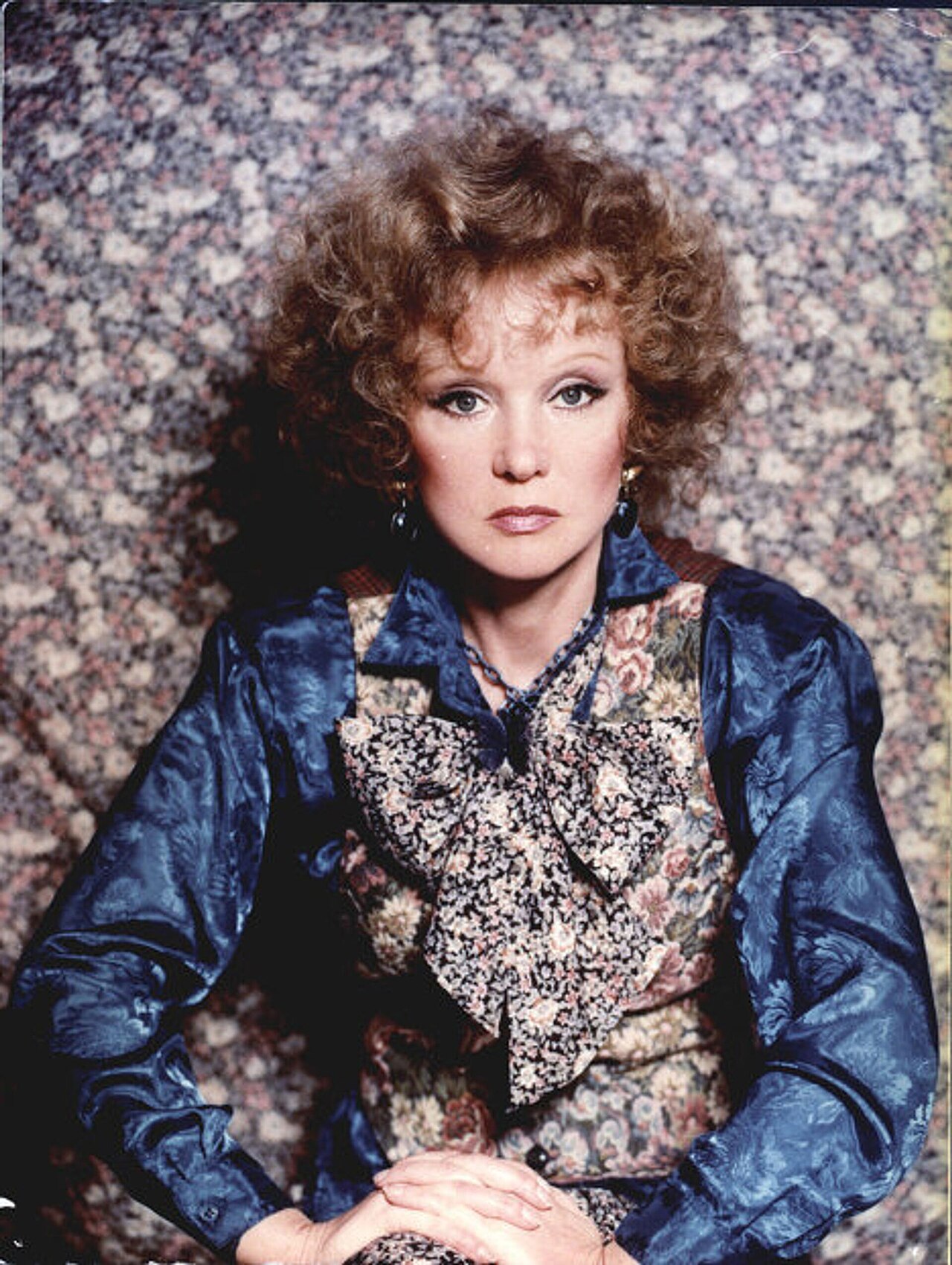
A refrain millions remember — including words that were never in the song.
How people remember: “Five minutes, five minutes — is that much or little” is the famous refrain of the song from Carnival Night.
How it actually was: The line “is that much or little” does not exist. After “Five minutes, five minutes” comes “The clock will soon strike”, and later “You can do a lot”.
Music
0 votes
0 💬
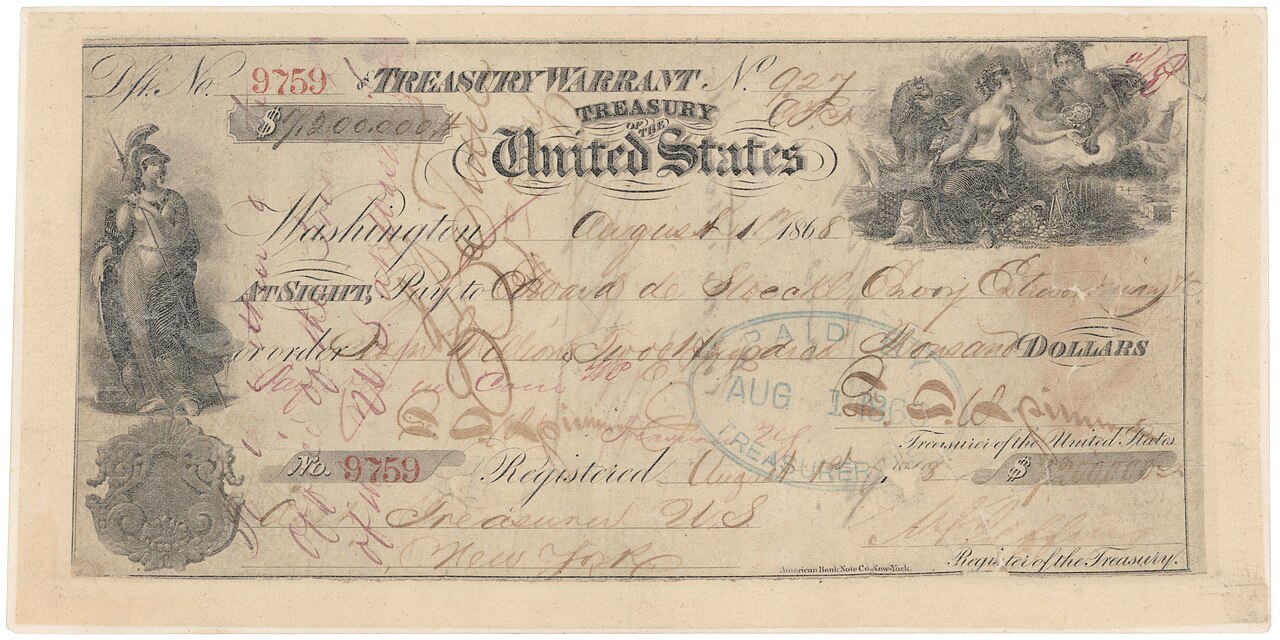
A deal remembered as cheap as a bottle of wine shifts half a century back in memory — to the favourite empress's reign.
How people remember: The Russian Empire sold Alaska to the United States under Catherine the Great — a bargain the mind dates to her reign.
How it actually was: The Alaska purchase treaty was signed on 30 March 1867 — 71 years after Catherine's death — under Alexander II, for 7.2 million dollars.
History
0 votes
0 💬
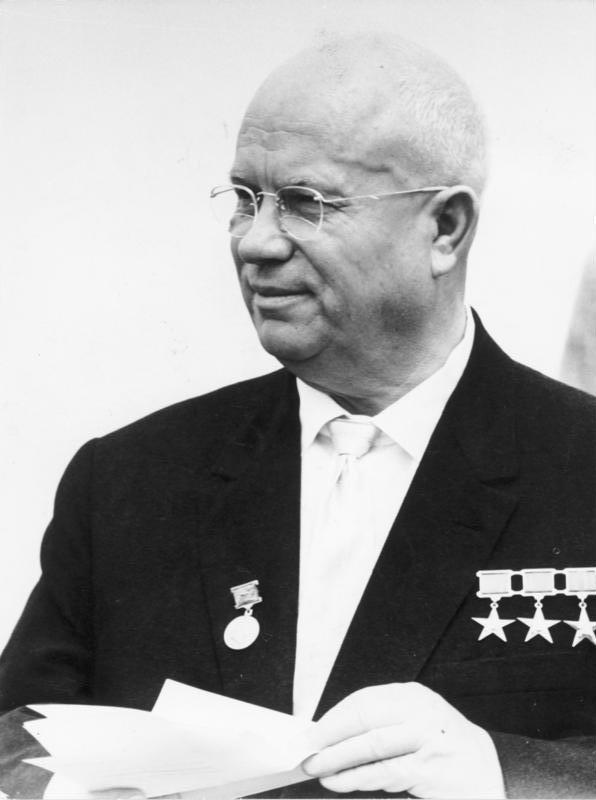
A catchphrase and a shoe on the rostrum fused in memory into a single plot — and neither belongs where recall puts it.
How people remember: On 12 October 1960 at the UN General Assembly Khrushchev banged his shoe on the desk and at that very moment said: “We will show you Kuzkina mat”.
How it actually was: The phrase actually made headlines earlier — from Khrushchev during his 1959 US visit. And the famous photograph of him banging a shoe was later recognised as a photomontage.
History
0 votes
0 💬
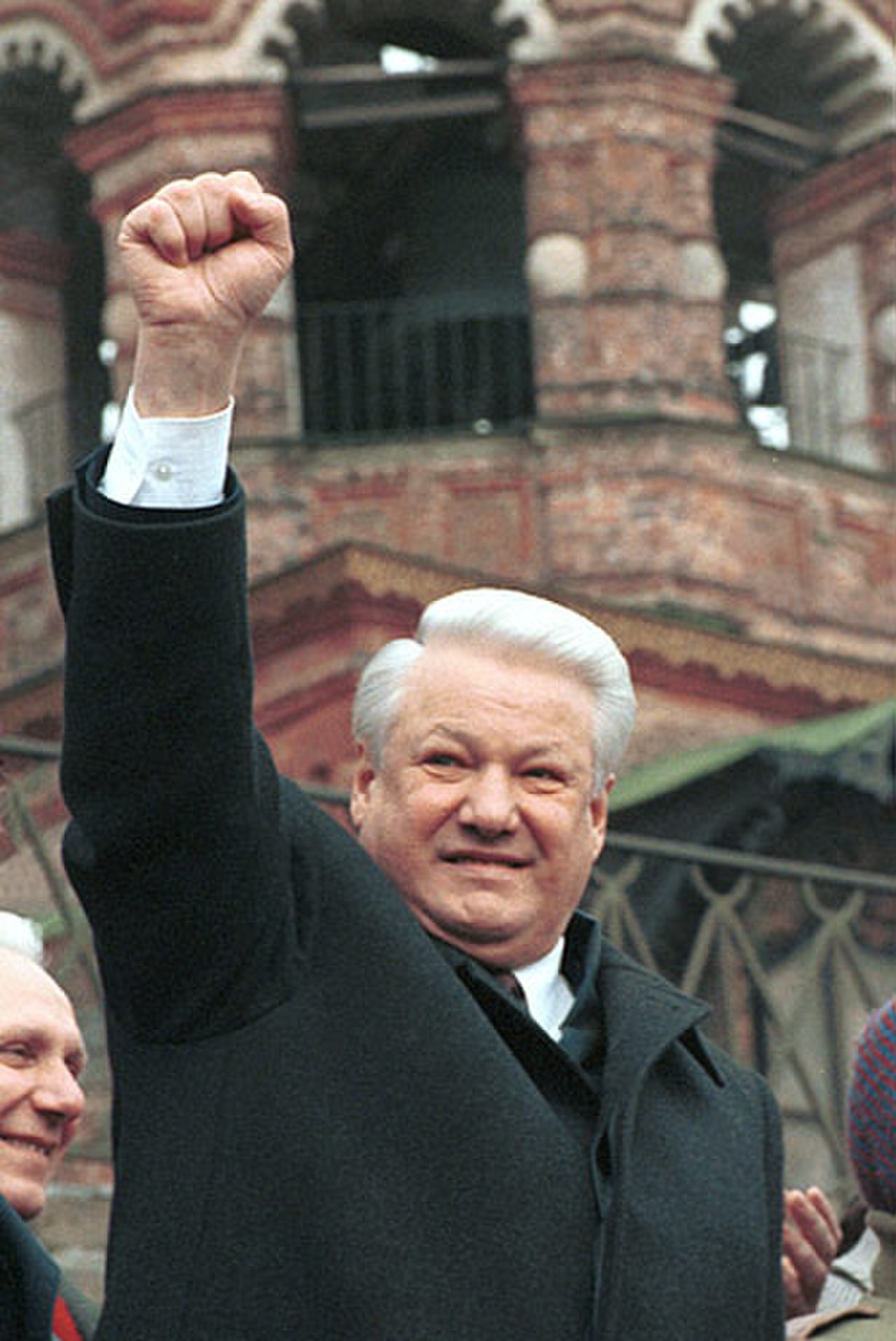
The most quoted line of the farewell address — a line that is not in it.
How people remember: In his New Year address of 31 December 1999 Boris Yeltsin said: “I am tired, I am leaving”.
How it actually was: The phrase is not in the address: Yeltsin said “I am leaving. I have done everything I could” and apologised to the citizens.
History
0 votes
0 💬
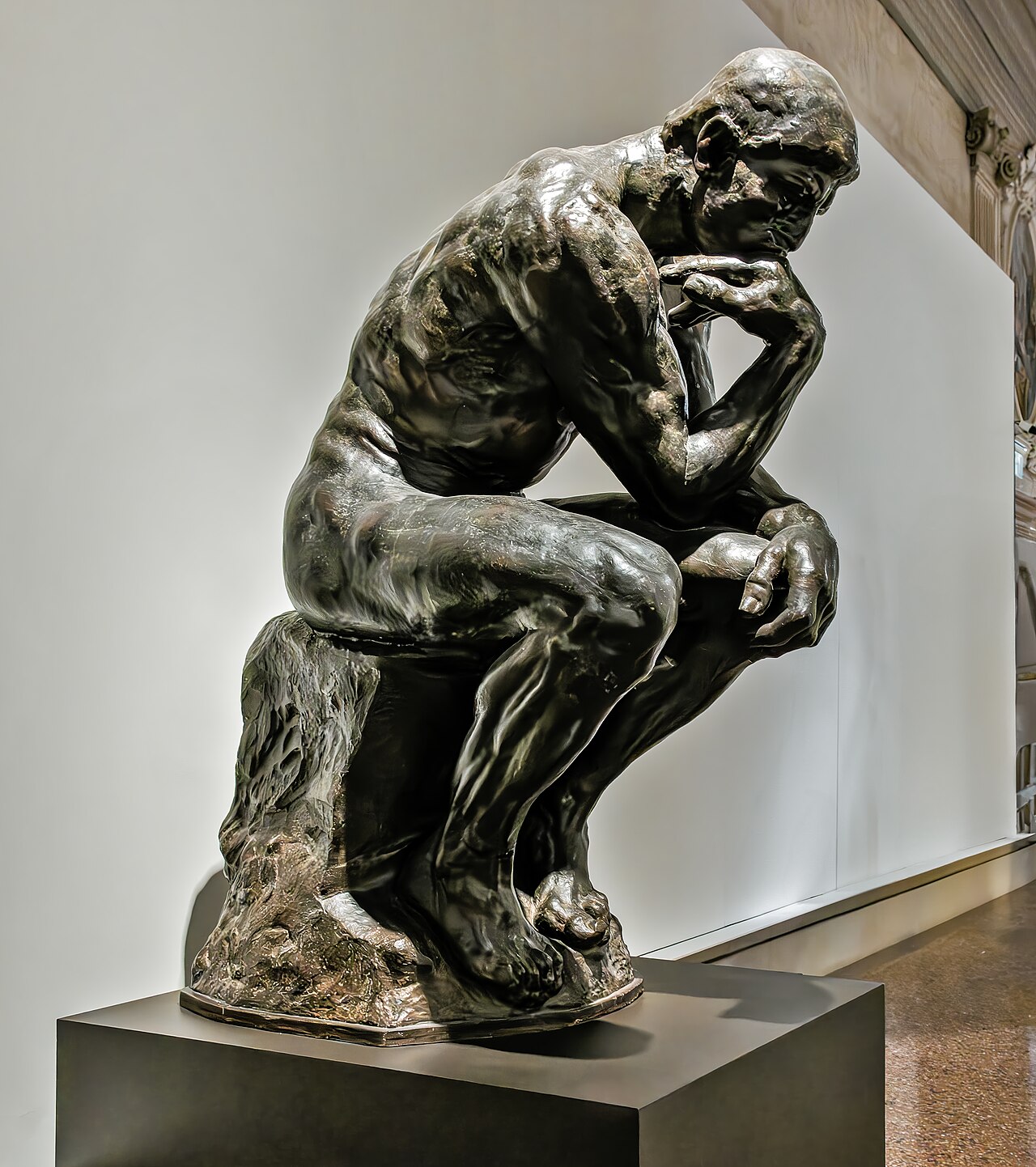
The most recognisable pose in sculpture turns ninety degrees in memory — from chin to forehead.
How people remember: Rodin's Thinker depicts a seated man with his fist pressed to his forehead in deep thought.
How it actually was: In reality the Thinker props his chin on his hand — there is no fist at the forehead.
Other
0 votes
0 💬
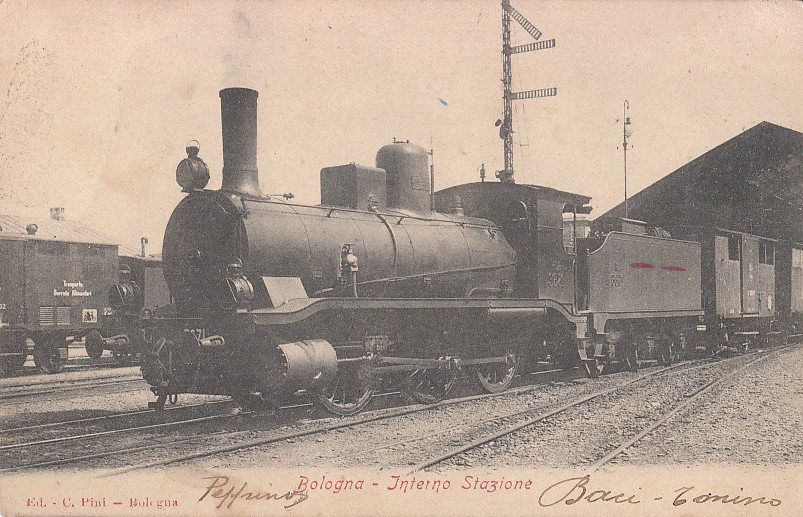
A rare case of a false memory measured in percentages: 92% of confident witnesses were wrong.
How people remember: The clock at Bologna Centrale station stopped on 2 August 1980 at the moment of the bombing and has stood since as a memorial to the victims.
How it actually was: The clock was repaired and kept running: it was only stopped in 1996 and set to the time of the explosion. In a 2010 survey 92% remembered otherwise.
History
0 votes
0 💬
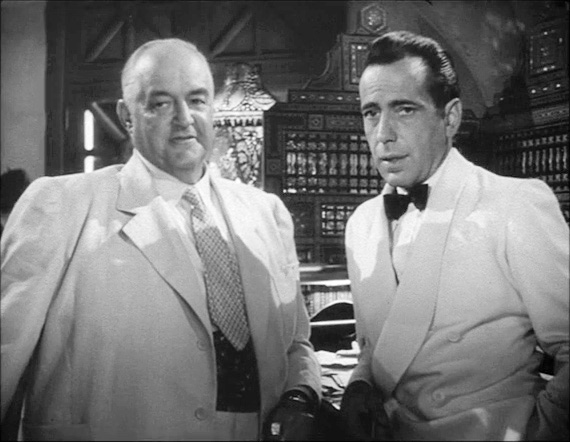
The most quoted line from Casablanca never actually occurs in the film.
How people remember: Rick says to Ilsa: “Play it again, Sam”.
How it actually was: The word “again” is never said: Ilsa asks “Play it, Sam. Play ‘As Time Goes By’” and Rick yells “Play it!”.
Movies & TV
0 votes
0 💬
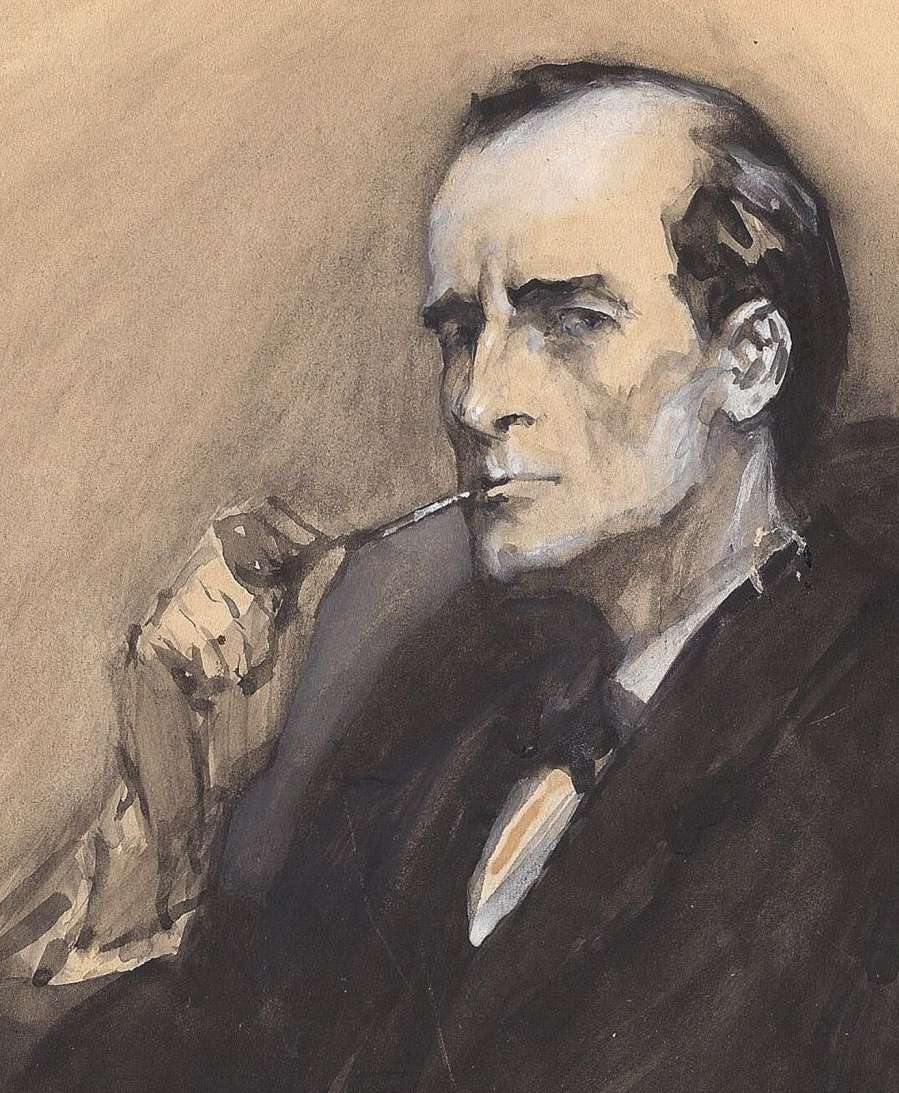
Sherlock's signature line does not appear in a single story by Arthur Conan Doyle.
How people remember: Sherlock Holmes says “Elementary, my dear Watson” in the stories about himself and Dr Watson.
How it actually was: The phrase is absent from Doyle's stories and novels: it first appeared in a 1915 play and entered wide memory through the Hollywood adaptations.
Books & cartoons
0 votes
0 💬
The voice from the cornfield turns plural in memory — although the promise was addressed to a specific player.
How people remember: The voice whispers: “If you build it, they will come”.
How it actually was: The film says “If you build it, he will come” — one player from the past is meant.
Movies & TV
0 votes
0 💬
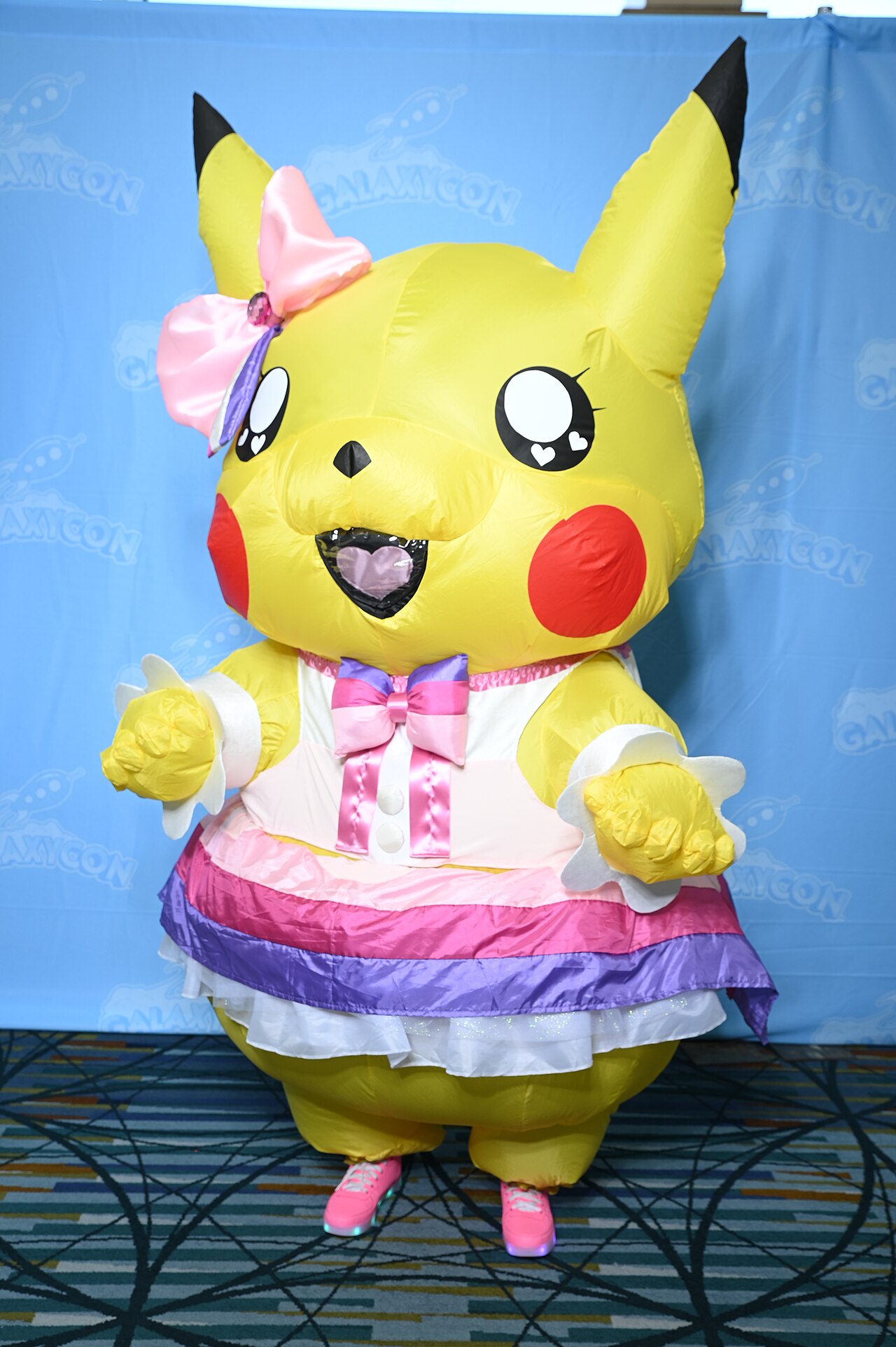
A childhood Pokémon grows a detail in memory that was never drawn.
How people remember: Pikachu's tail ends with a black tip — almost everyone who grew up with Pokémon remembers it.
How it actually was: Pikachu's tail is entirely yellow with a brown base. Only the ear tips are black — not the tail.
Games & internet
0 votes
0 💬
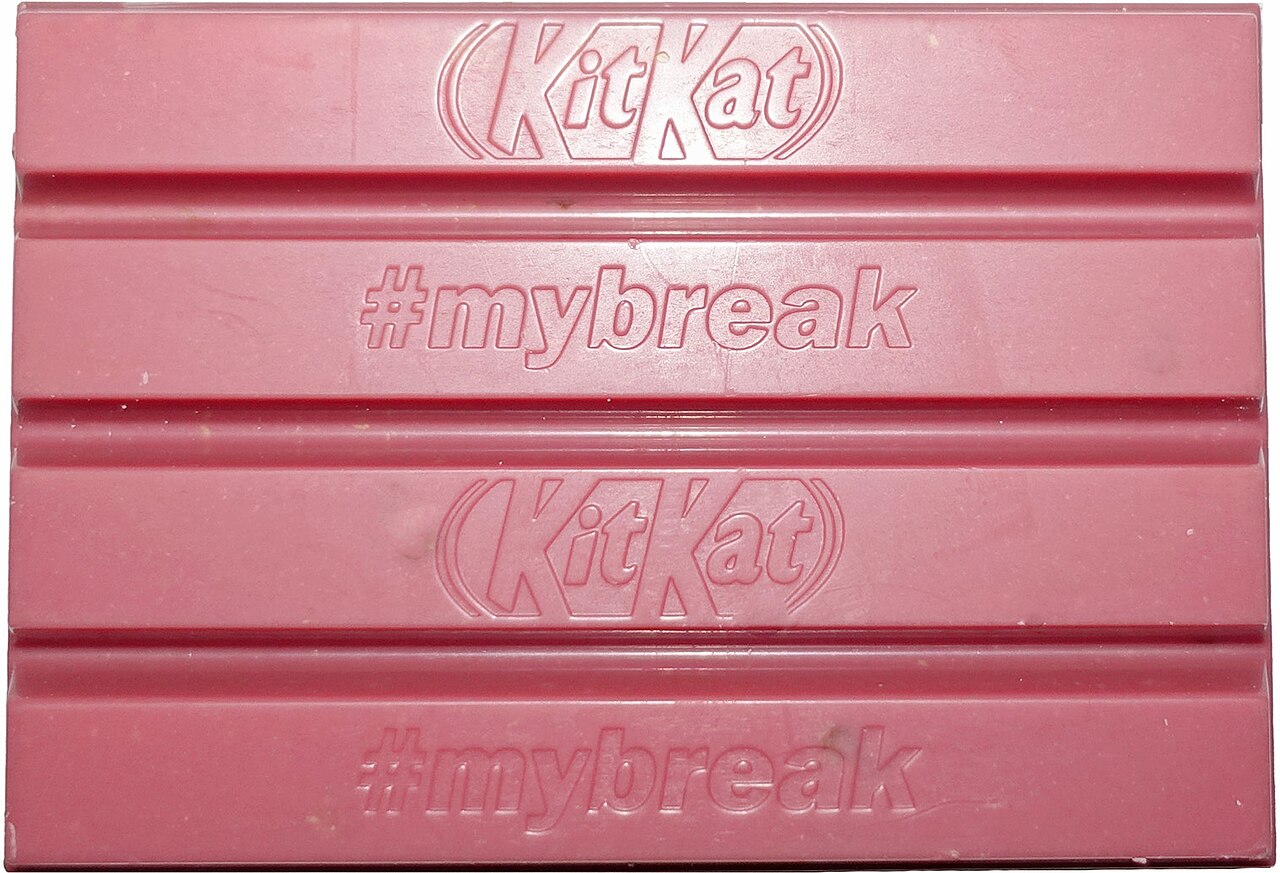
The chocolate bar logo everyone knew supposedly had a hyphen — it was always written without one: KitKat.
How people remember: The logo is Kit-Kat, with a hyphen.
How it actually was: The name is written as KitKat (in the UK, historically Kit Kat — but never with a hyphen). The hyphen often comes from the Soviet-era transliteration «Кит-Кат».
Logos & brands
0 votes
0 💬

The show's Russian titles varied, but the English original always used “and”.
How people remember: The original is Sex in the City.
How it actually was: The original is Sex and the City, since 1998. Both Russian translations existed.
Movies & TV
0 votes
0 💬

The clothing brand's logo supposedly included a bunch of grapes behind the apple and pear — it never did.
How people remember: The Fruit of the Loom logo had a bunch of grapes.
How it actually was: The logo shows only an apple, a pear and grape leaves — no grapes. Grapes appeared in ads and merch, never in the mark itself.
Logos & brands
0 votes
0 💬
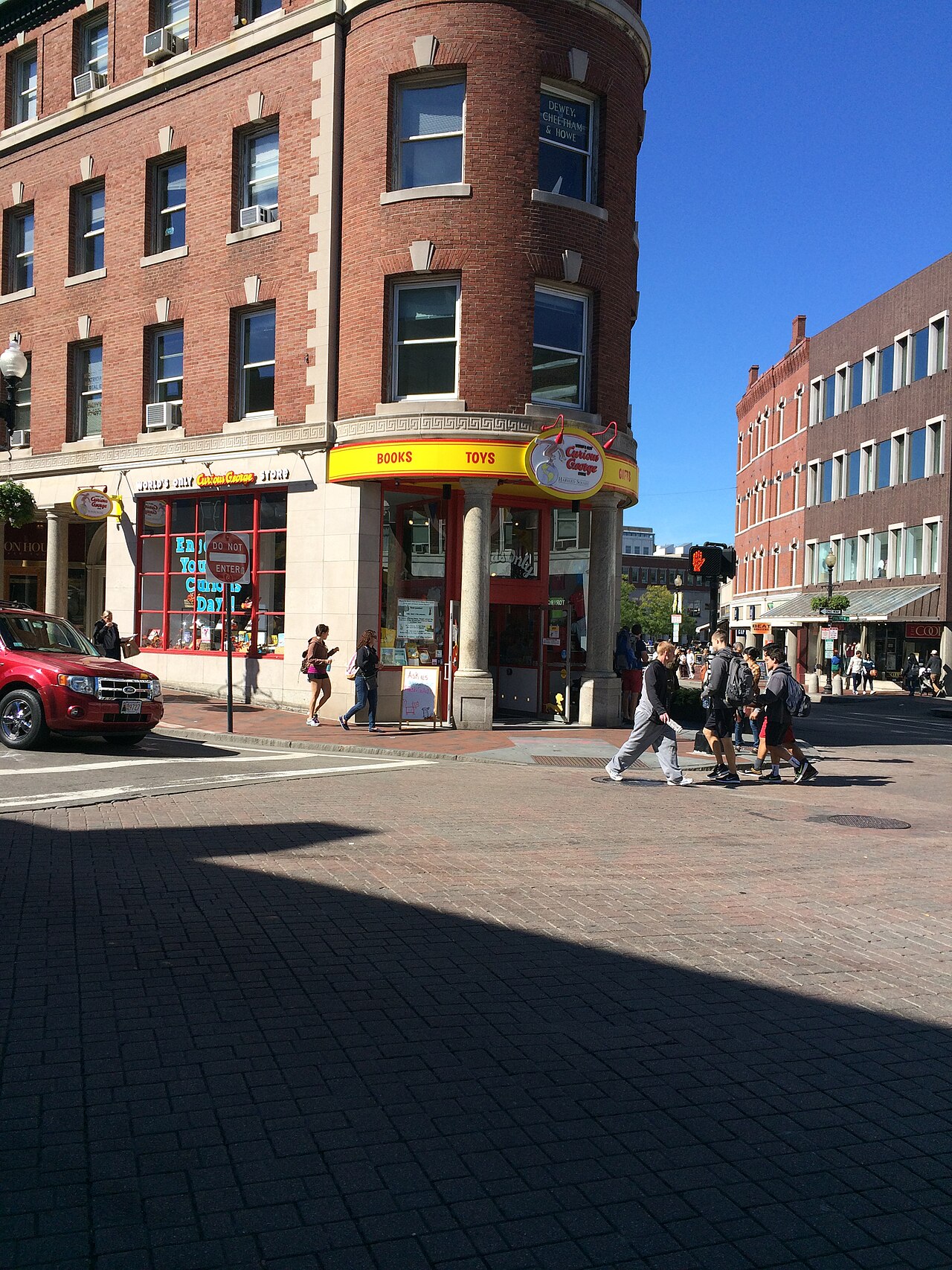
The monkey from the children's books supposedly had a tail — he never did.
How people remember: Curious George has a tail.
How it actually was: George has no tail — neither in books nor in cartoons. Plenty of other cartoon monkeys do have tails.
Books & cartoons
0 votes
0 💬
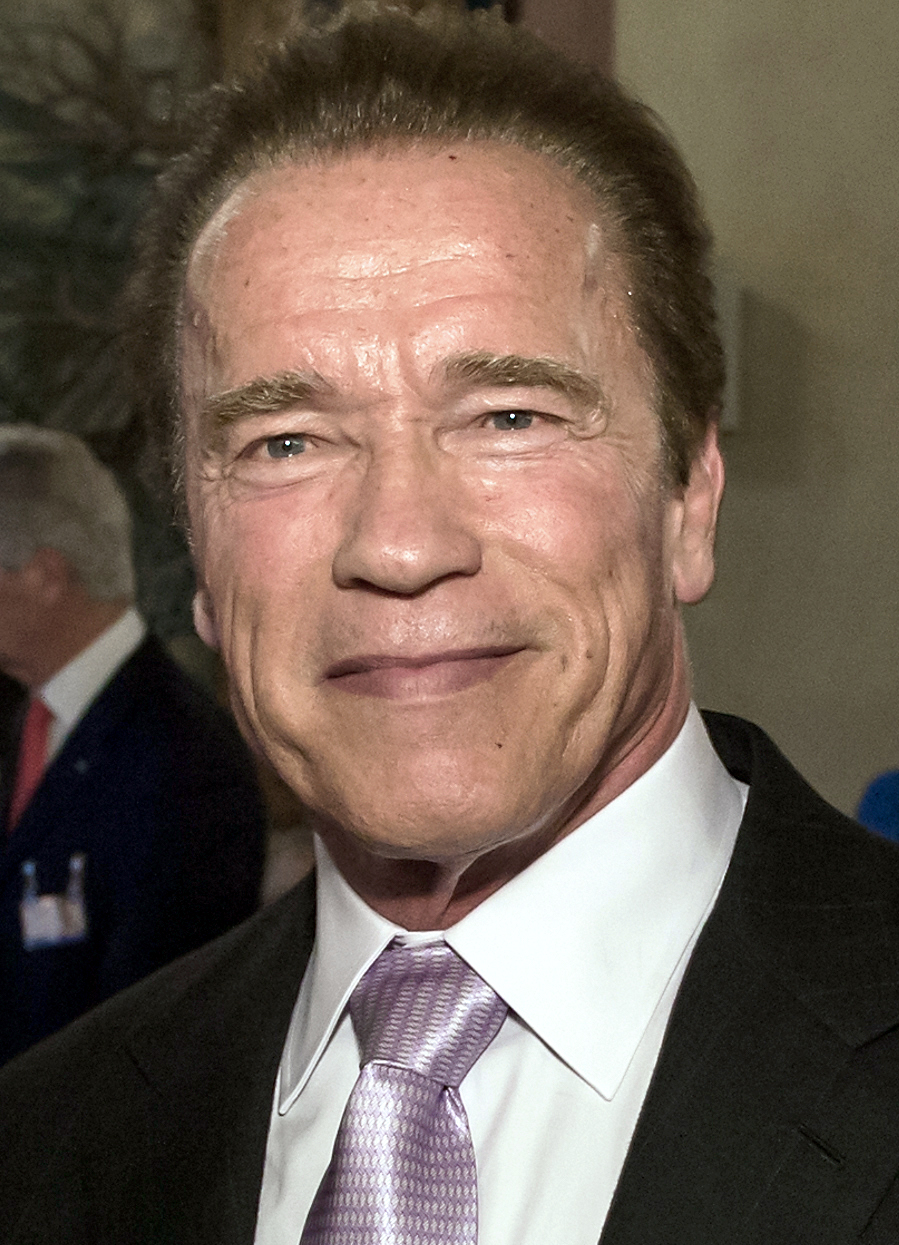
The belief that Arnold Schwarzenegger died persists — yet he is alive and well. An example of a false news item, not a memory effect.
How people remember: Arnold Schwarzenegger died (circling 2012, 2015 and 2020).
How it actually was: Schwarzenegger is alive: born in 1947, still acting and appearing in public.
Celebrity deaths
0 votes
0 💬
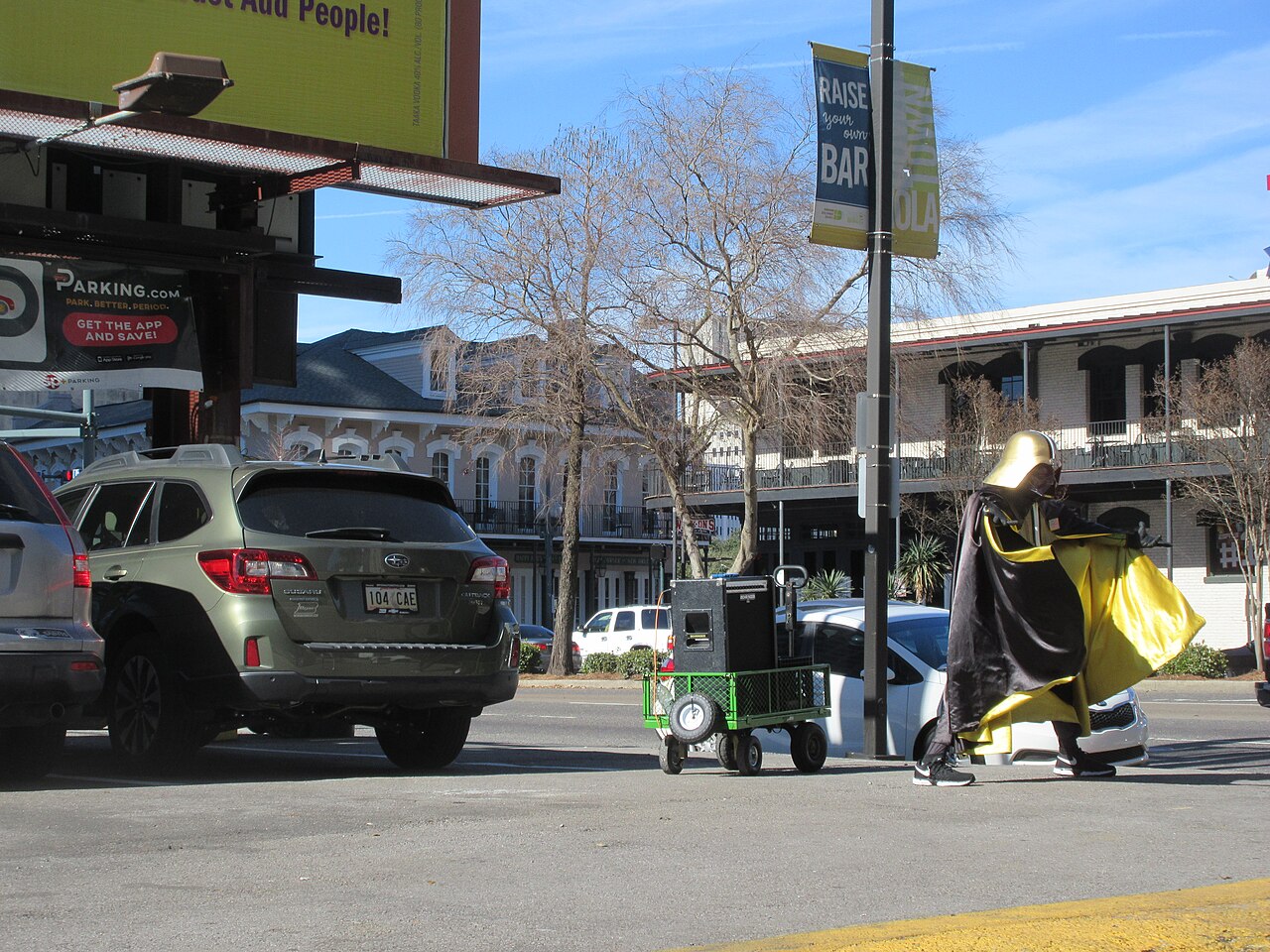
The most quoted line of Star Wars lives in mass memory differently from the film.
How people remember: “Luke, I am your father.”
How it actually was: In The Empire Strikes Back (1980) Darth Vader says: “No, I am your father.”
Movies & TV
0 votes
0 💬
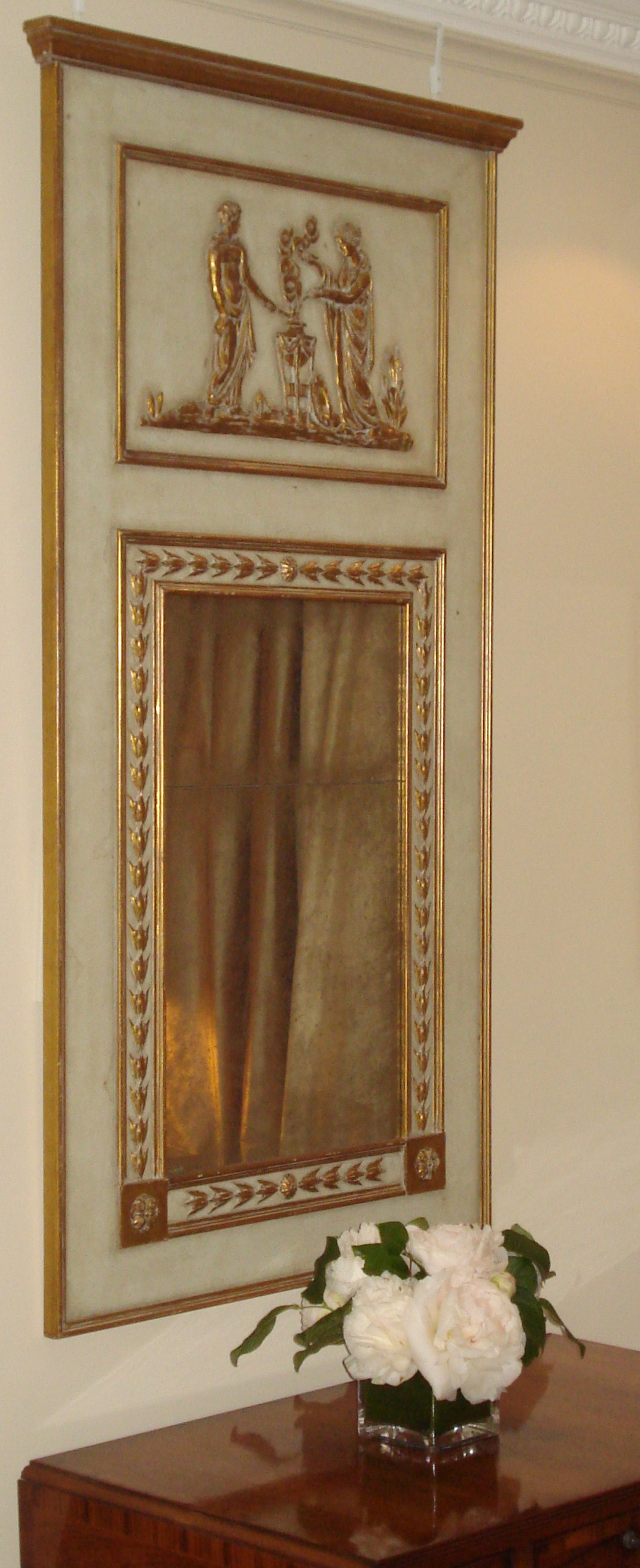
The phrase everyone knows sounds different in the Disney original.
How people remember: “Mirror, mirror on the wall, who is the fairest of them all?”
How it actually was: In Disney's 1937 film: “Magic mirror on the wall...”. “Mirror, mirror” appears in the Brothers Grimm tale and some adaptations.
Books & cartoons
0 votes
0 💬

The Warner Bros. cartoon series is spelled with “-tunes”, though many are sure it says “-toons”.
How people remember: Looney Toons — “crazy cartoons”.
How it actually was: Looney Tunes — from tunes (melodies): the shorts were originally musical, released alongside Merry Melodies.
Language & spelling
1 votes
0 💬
The children's book series millions read as kids was supposedly called “Berenstein Bears” — it was always “Berenstain”.
How people remember: The series was called Berenstein Bears — with an “e”.
How it actually was: The series is called The Berenstain Bears — with an “a”: Berenstain. The authors' surname has been Berenstain since 1962.
Books & cartoons
0 votes
0 💬
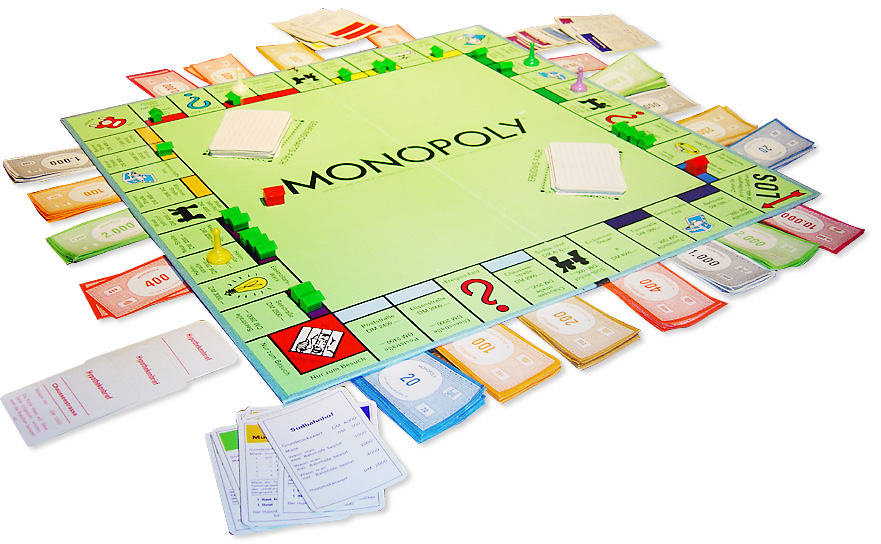
The mascot of the board game Monopoly supposedly wore a monocle — he never had one, only a grin and a top hat.
How people remember: The Monopoly man (Rich Uncle Pennybags) wears a monocle.
How it actually was: The Monopoly man never had a monocle: top hat, tux, moustache and grin — but no monocle.
Logos & brands
0 votes
0 💬
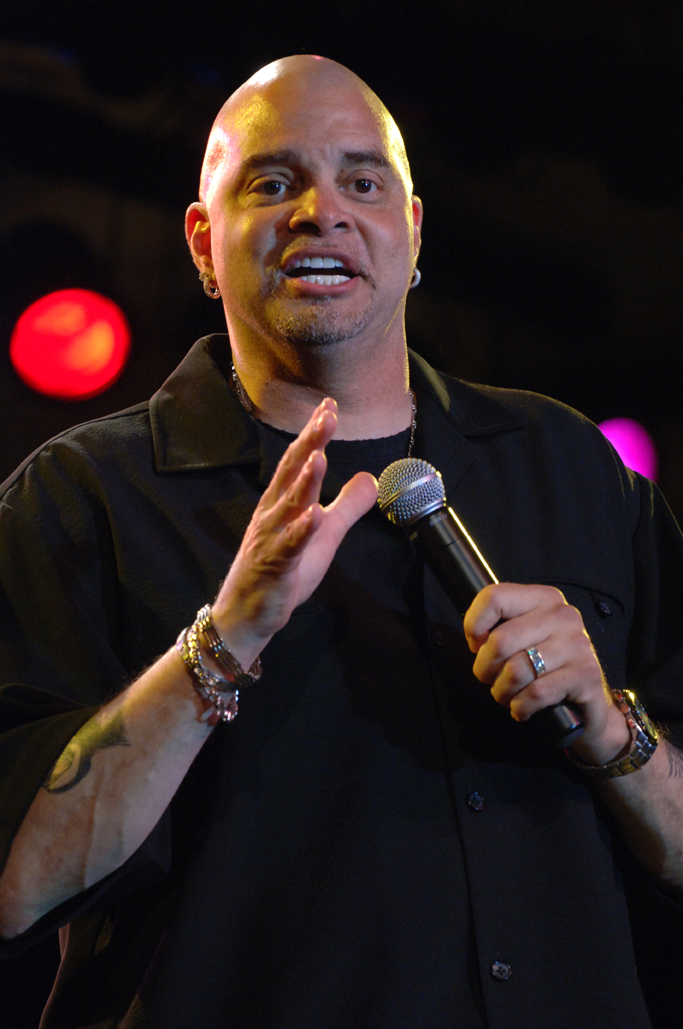
Huge numbers of people remember a 1990s comedy where comedian Sinbad plays a genie in “Shazaam”. That movie never existed.
How people remember: In 1994 the movie “Shazaam” came out with Sinbad as a genie; people remember VHS covers in detail.
How it actually was: There is no movie “Shazaam”. In 1996 “Kazaam” was released starring Shaquille O'Neal as a genie — different actor, different title.
Movies & TV
0 votes
0 💬
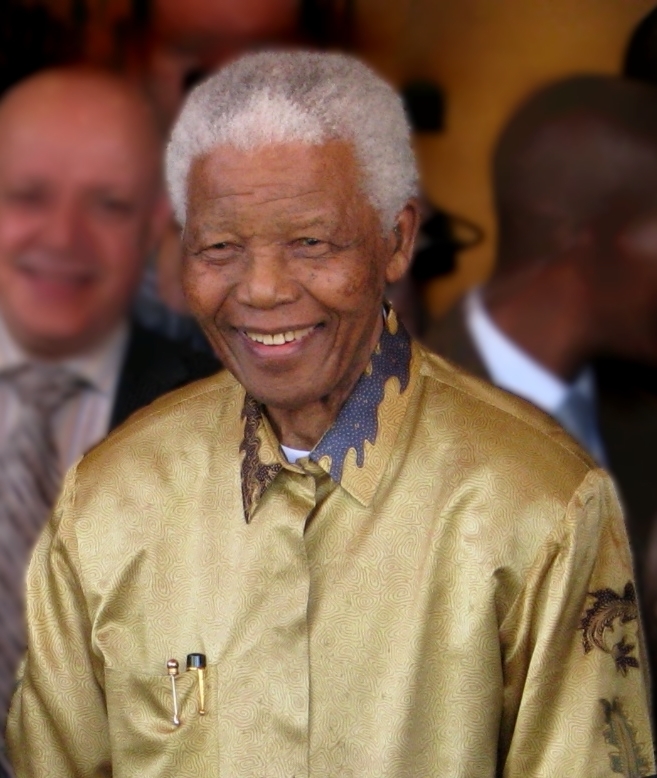
The classic “Mandela effect” that named the whole phenomenon: thousands of people remember Mandela dying in custody, although he was released in 1990 and died in 2013.
How people remember: Nelson Mandela died in prison in the 1980s, with funerals and speeches in his memory.
How it actually was: Mandela spent 27 years in prison, was released in 1990, became president of South Africa in 1994 and died on 5 December 2013 at home in Johannesburg.
History
0 votes
0 💬